all countries
Visit
museums
Visit Louvre, Hermitage, Van Gogh Museum, Uffizi Gallery and more! The only thing you will care about is your chair because you will have to sit a lot!
Due Diligence in Real Estate
In Cambodia, where land disputes have historically been among the most common forms of civil disputes, due diligence is particularly important. Although Cambodia has made considerable progress in land registration and the issuance of formal land titles, risks remain due to issues such as unclear ownership history, competing claims, improper transfers, unauthorized construction, undisclosed mortgages, and incomplete registration.
According to the - Cambodia’s land administration reforms have significantly improved land registration and security of tenure through systematic land registration programs. However, challenges remain in ensuring complete coverage and resolving historical land disputes. The World Bank has noted that strengthening land governance and improving land administration systems remain important elements for Cambodia’s sustainable economic development.
Source: World Bank, Cambodia Land Management and Administration Project (LAMP) Reports.
For investors, purchasing property without adequate legal verification may result in serious consequences, including inability to register ownership, inability to develop the land, financial loss from undisclosed encumbrances, or lengthy legal disputes. Therefore, real estate due diligence should not be viewed as merely an administrative procedure but as an essential legal protection mechanism.
Under Article 12 of the Land Law (2001), Cambodia recognizes the ownership of immovable property acquired and registered in accordance with legal procedures. The law distinguishes between ownership rights and possession rights, meaning that a person occupying land does not necessarily have legally recognized ownership.
"The ownership of immovable properties shall be guaranteed by the State and shall only be acquired according to the provisions of this law."
This principle demonstrates why verification of official documents is essential. A person may occupy or use land for many years but may still lack legally recognized ownership if the property has not been properly registered.
A proper due diligence process helps answer important legal questions, including:
- Who legally owns the property?Failure to answer these questions before purchase can expose investors to significant risks.
- Does the seller have authority to transfer ownership?
- Is the land title genuine and properly issued?
- Are there mortgages, security interests, or disputes affecting the property?
- Is the property subject to zoning restrictions?
- Are buildings legally constructed and approved?
- Can the buyer legally acquire the property under Cambodian law?
Cambodia’s Real Estate Market Development and the Need for Due Diligence
According to the Ministry of Land Management, Urban Planning and Construction (MLMUPC), Cambodia has continued implementing systematic land registration programs to improve land security and strengthen property rights. As of recent reporting periods, millions of land parcels have been registered nationwide through systematic and sporadic registration programs. The expansion of the property market has also attracted foreign investment. The National Bank of Cambodia (NBC) has reported continued growth in credit exposure related to real estate and construction sectors, reflecting the importance of property-related financing within Cambodia’s economy.
According to the National Bank of Cambodia Annual Report, real estate and construction-related lending represent a significant portion of Cambodia’s banking sector credit portfolio. This demonstrates both the economic importance of property transactions and the importance of careful risk assessment by investors and financial institutions. As property values increase, fraudulent transactions and ownership disputes may create greater financial consequences. Therefore, investors, particularly foreign investors unfamiliar with Cambodian legal procedures, should conduct professional due diligence before acquiring property.
- The Land Law (2001)The Land Law (2001) is the primary legislation regulating ownership, possession, land registration, transfer, and use of immovable property in Cambodia.
- Rivers and waterwaysBefore purchasing land, investors must confirm that the property is legally capable of private ownership.
- Roads and infrastructure areas
- Natural protected areas
- Public buildings
- Certain public land areas
Article 30 – Possession Rights
The Land Law recognizes certain possession rights under specific conditions. However, possession alone does not automatically create ownership.
This distinction is extremely important because some transactions in Cambodia historically involved informal land possession documents rather than registered ownership titles.
A buyer relying only on possession documents may face difficulty proving ownership in the future.
Article 65 – Transfer of Immovable Property
Under Cambodian law, transfers of ownership over immovable property must comply with legal requirements, including proper documentation and registration.
A private agreement between parties may not be sufficient to create enforceable ownership rights if the transfer has not been properly registered with competent authorities.
- Hard Title (Certificate of Land Ownership)A hard title is an official ownership certificate issued by the competent land authority. It provides stronger legal protection because it is registered within the national land registration system.
- Soft TitleA soft title is a local administrative recognition of land possession or use rights, commonly issued by local authorities. While widely used in Cambodia, soft titles generally provide less legal certainty compared with registered hard titles.
- Whether the title is officially registered;A legal professional should conduct verification with the relevant land office to confirm authenticity and status.
- Whether the title number matches government records;
- Whether the seller’s name matches the registered owner;
- Whether the boundaries correspond with actual possession;
- Whether there are competing claims.
- The registered owner stated on the land title;This step is particularly important because Cambodian real estate transactions may involve inherited property, jointly owned property, company-owned property, or property subject to family ownership issues.
- A legally authorized representative acting under a valid power of attorney;
- A company with proper corporate authority to sell the property;
- A person legally capable of entering into a binding transaction.
- Cambodian National Identification Card or passport;Under Cambodian law, marital property may create issues if one spouse attempts to transfer property without proper consent or authorization.
- Family book or residence documents where relevant;
- Marriage status and possible spouse consent requirements;
- Documents proving inheritance rights (if applicable);
- Previous transfer documents.
- The company’s registration status with the Ministry of Commerce;Corporate ownership verification is especially important because Cambodian companies frequently hold land for commercial developments, factories, hotels, and investment projects.
- The company’s registered directors and shareholders;
- Whether the company has authority under its corporate documents to sell the property;
- Whether shareholder or board approval is required;
- Whether the company is subject to liquidation, insolvency, or legal disputes.
- Certificate of Incorporation;A transaction signed by a person without proper corporate authority may later be challenged.
- Articles of Association;
- Patent Tax Certificate;
- Shareholder information;
- Board resolutions approving the sale;
- Existing litigation records.
Under Cambodian law, immovable property may be used as security for obligations through a mortgage. - recognizes mortgage rights as security interests over immovable property.
A registered mortgage may allow a creditor to enforce its rights against the property if the debtor fails to repay the secured obligation.
Therefore, before purchasing property, the buyer should confirm:
- Whether any mortgage is registered;
- The identity of the mortgage creditor;
- The outstanding loan status;
- Whether a mortgage release document has been issued.
A purchase agreement alone does not protect the buyer from a previously registered mortgage.
Apart from mortgages, other security interests may affect property rights. The Law on Secured Transactions (2007) provides a legal framework for security interests over movable assets, while immovable property security is primarily governed by the Civil Code and Land Law framework.
A proper legal review should identify whether:
- The property has been pledged;
- There are restrictions recorded in the land register;
- The owner has granted rights to another party;
- There are pending enforcement actions.
Due diligence should review:
- Existing lease agreements;
- Long-term rental arrangements;
- Rights of occupation;
- Easements;
- Access rights;
- Development agreements.Under Cambodian law, lease rights over immovable property may create enforceable obligations between the parties depending on the circumstances and registration requirements.
The Land Law 2001 recognizes various rights relating to immovable property, including rights created through agreements and registration.
A buyer should confirm whether:
- The property will be delivered vacant;Failure to examine these issues may result in the buyer acquiring property that cannot immediately be used.
- Tenants must be removed before transfer;
- Existing leases continue after purchase;
- Compensation obligations exist.
- Actual occupation does not match official boundaries;A professional due diligence process should include:
- Neighboring owners claim overlapping land;
- Buildings extend beyond registered boundaries;
- Roads or public areas affect the property.
- Site inspection;The Land Law 2001 places importance on cadastral registration and accurate identification of immovable property. A buyer should never rely solely on documents without inspecting the physical property.
- Measurement verification;
- Boundary comparison with title documents;
- Review of cadastral maps;
- Confirmation with local authorities where necessary.
Important documents may include:
- Construction permits;
- Building approvals;
- Completion certificates;
- Fire safety approvals;
- Environmental approvals;
- Business operation licenses.
The primary legislation governing construction activities is the:
Law on Construction of Cambodia (2019).
The Law on Construction establishes requirements regarding construction permits, safety standards, technical requirements, and responsibilities of owners, developers, and construction professionals. Under the Law on Construction, certain construction activities require approval from competent authorities before commencement.
Failure to comply with construction regulations may result in:
- Administrative penalties;
- Suspension orders;
- Difficulty obtaining operational licenses;
- Problems during resale or financing.
- Industrial projects;The Law on Environmental Protection and Natural Resource Management (1996) and related regulations establish environmental obligations for projects that may affect the environment.
- Large residential developments;
- Hotels and resorts;
- Agricultural projects;
- Infrastructure projects.
- Environmental due diligence may require reviewing:For large-scale developments, environmental approval is often a key condition before project implementation.
- Environmental Impact Assessment (EIA) approvals;
- Environmental compliance certificates;
- Protected area restrictions;
- Waste management obligations.
- Ownership of private units in co-owned buildings (condominiums);
- Long-term leases;
- Land holding through Cambodian companies;
- Investment structures permitted under Cambodian law.
Article 44 of the Constitution of the Kingdom of Cambodia provides that ownership of land is reserved for Khmer citizens and Khmer legal entities. This principle is further confirmed under Article 7 of the Land Law (2001), which states that only Cambodian nationals and Cambodian legal entities controlled by Cambodian nationals may own land. Therefore, foreign individuals and foreign-owned companies cannot directly acquire ownership of land in Cambodia. Nevertheless, Cambodian law provides several legal mechanisms that allow foreign investors to participate in the real estate sector.
One common structure is ownership of private units within a co-owned building, commonly known as condominium ownership or “strata title.” The Law on Providing Foreigners with Ownership Rights in Private Units of Co-owned Buildings (2010) allows foreigners to own private units located above the ground floor of registered co-owned buildings, subject to certain conditions. Under this law, foreigners may own up to 70% of the private units in a co-owned building, while the remaining 30% must be Cambodian-owned. Foreign ownership is limited to the private unit itself and does not extend to ownership of the land on which the building is constructed.
Before purchasing a condominium unit, foreign buyers should conduct due diligence not only on the individual unit but also on the entire building project. This includes verifying whether the building has been legally registered as a co-owned building, whether strata titles have been issued, whether the developer has fulfilled registration requirements, and whether there are disputes affecting the project. Another common investment structure involves the use of Cambodian companies. Foreign investors may establish or invest in Cambodian companies that hold land, provided that the company satisfies the legal requirements for Cambodian legal entity status. However, this structure requires careful legal review because improper ownership arrangements may expose investors to significant risks. A foreign investor should ensure that the company structure complies with Cambodian investment laws, including proper shareholder arrangements, corporate governance procedures, and documentation proving lawful ownership and control.
The Law on Construction (2019) provides the legal framework governing construction activities in Cambodia. It establishes requirements relating to construction permits, technical standards, responsibilities of project owners, and obligations of construction professionals. For example, a developer intending to construct a large building must generally obtain approval from competent authorities before commencing construction. Failure to obtain proper authorization may result in administrative measures, including suspension of construction activities.
In addition, investors should review zoning and urban planning restrictions. Land that appears suitable for development may be subject to limitations relating to road expansion, public infrastructure projects, protected areas, height restrictions, or designated land-use purposes. The Law on Land Management, Urban Planning and Construction (1994) and related regulations provide the framework for urban planning and land-use management in Cambodia. A proper legal review should therefore determine whether the intended development is consistent with the applicable land-use plan and whether additional approvals are required.
Under Cambodian law, contracts must satisfy general legal requirements concerning consent, capacity, lawful purpose, and compliance with mandatory legal provisions. The Civil Code of Cambodia (2007) provides the general principles governing contractual obligations. Article 311 of the Civil Code provides the basic principle that a contract is formed through the agreement of the parties. However, contractual freedom does not mean that parties may ignore mandatory legal requirements.
A properly drafted real estate agreement should clearly address issues such as payment obligations, transfer conditions, representations and warranties, liability for defects, dispute resolution, applicable law, and termination rights. Before signing any agreement, buyers should ensure that the contract accurately reflects the results of the due diligence investigation.
Undisclosed mortgages also represent a major risk. A property owner may transfer land while the property remains pledged to a bank or financial institution. If the mortgage is not properly released, the buyer may face enforcement actions from the creditor.
Construction violations are another frequent concern, particularly in commercial and development projects. A building constructed without proper permits may create problems when the owner seeks financing, resale approval, or operational licenses.
Land boundary disputes remain another important issue. Even where ownership documents appear valid, disputes may arise if actual occupation differs from registered boundaries.
These risks demonstrate why professional legal due diligence is necessary before completing any significant real estate transaction in Cambodia.
Real estate due diligence in Cambodia provides investors with essential protection by verifying ownership rights, identifying hidden risks, ensuring regulatory compliance, and confirming that transactions are legally secure.
As Cambodia’s property market continues to expand, proper legal due diligence will become increasingly important for individuals, businesses, developers, financial institutions, and foreign investors. Before purchasing land, acquiring a building, investing in a development project, or entering into a long-term lease, investors should seek professional legal advice to ensure that their investment complies with Cambodian law and is protected against future disputes.
A carefully conducted due diligence process is not merely an additional cost in a real estate transaction. It is a necessary legal investment that protects property rights, preserves financial value, and supports sustainable investment in Cambodia’s growing real estate sector.
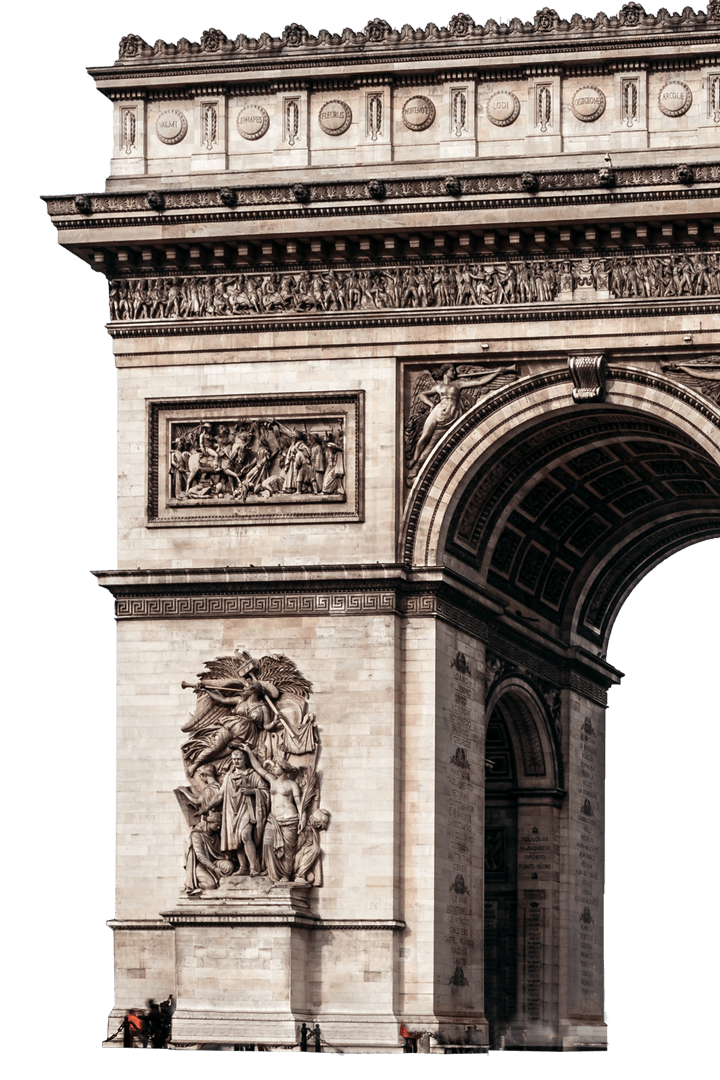
Visit Louvre, Hermitage, Van Gogh Museum, Uffizi Gallery and more! The only thing you will care about is your chair because you will have to sit a lot!
Visit Chichen-Itza, Great Pyramid and more! The only thing you will care about is your chair because you will have to sit a lot!
Visit Yellowstone, Siberia, Baikal and more! The only thing you will care about is your chair because you will have to sit a lot!
The most famous museums are now available online. The best tours, great video quality and very knowledgeable guides.
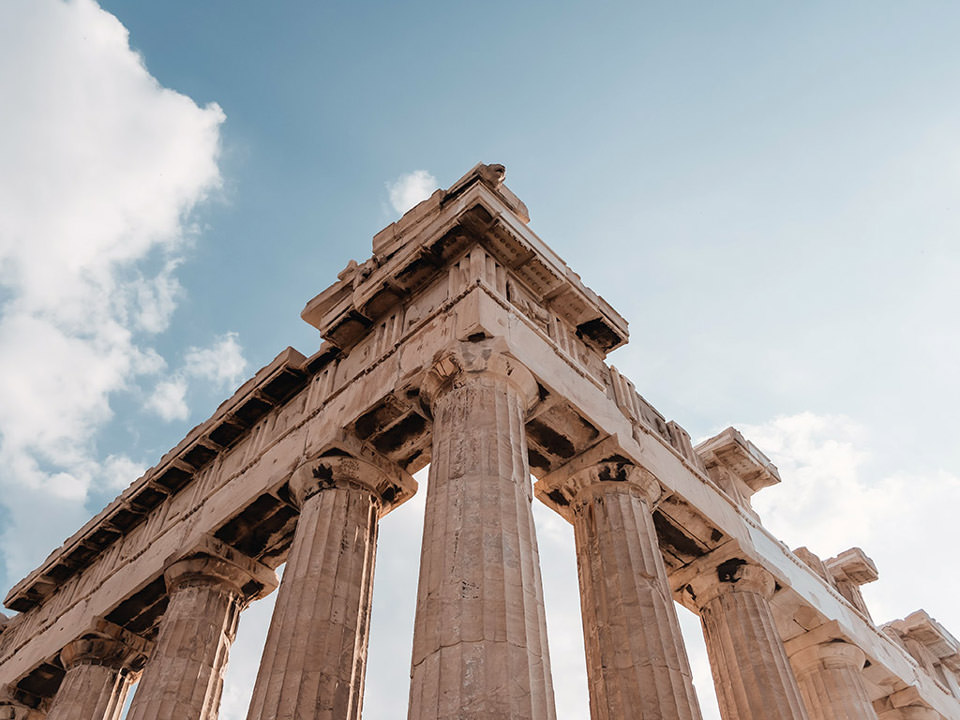
The Acropolis of Athens is an ancient citadel located on a rocky outcrop above the city of Athens and contains the remains of several ancient buildings of great architectural and historical significance, the most famous being the Parthenon.

The State Hermitage Museum is a museum of art and culture in Saint Petersburg, Russia. The second-largest art museum in the world, it was founded in 1764 when Empress Catherine the Great acquired an impressive collection of paintings from the Berlin merchant Johann Ernst Gotzkowsky.

The Louvre is the world's largest art museum and a historic monument in Paris, France, and is best known for being the home of the Mona Lisa. A central landmark of the city, it is located on the Right Bank of the Seine in the city's 1st district.

The Van Gogh Museum is a Dutch art museum dedicated to the works of Vincent van Gogh and his contemporaries in the Museum Square in Amsterdam South.
The Uffizi Gallery is a prominent art museum located adjacent to the Piazza della Signoria in the Historic Centre of Florence in the region of Tuscany, Italy. One of the most important Italian museums and the most visited, it is also one of the largest and best known in the world and holds a collection of priceless works, particularly from the period of the Italian Renaissance.
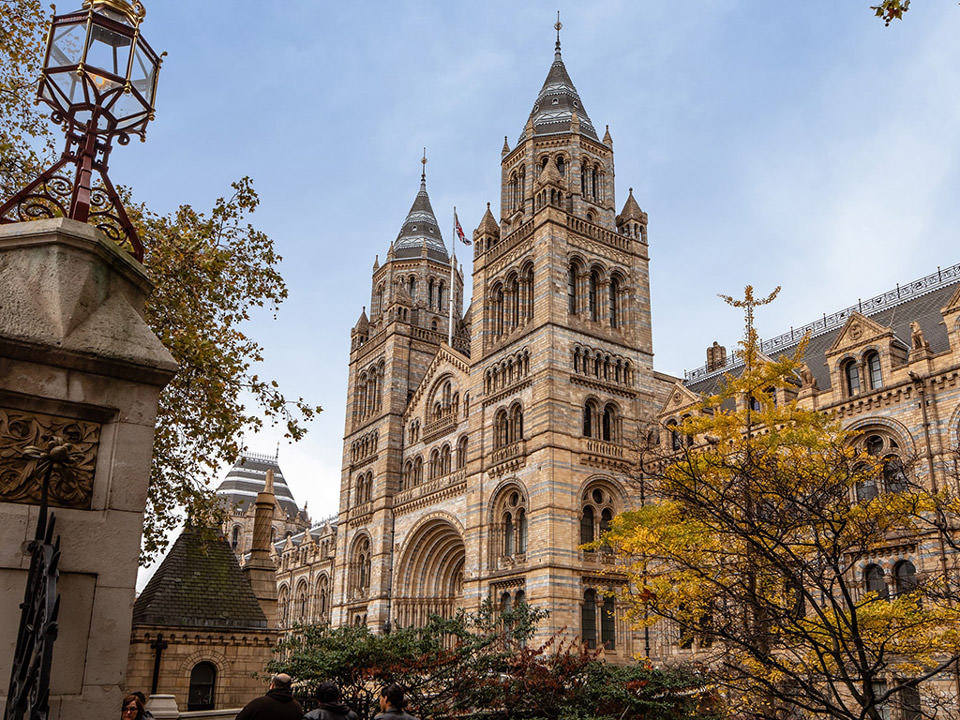
The Natural History Museum in London is a natural history museum that exhibits a vast range of specimens from various segments of natural history. It is one of three major museums on Exhibition Road in South Kensington, the others being the Science Museum and the Victoria and Albert Museum.
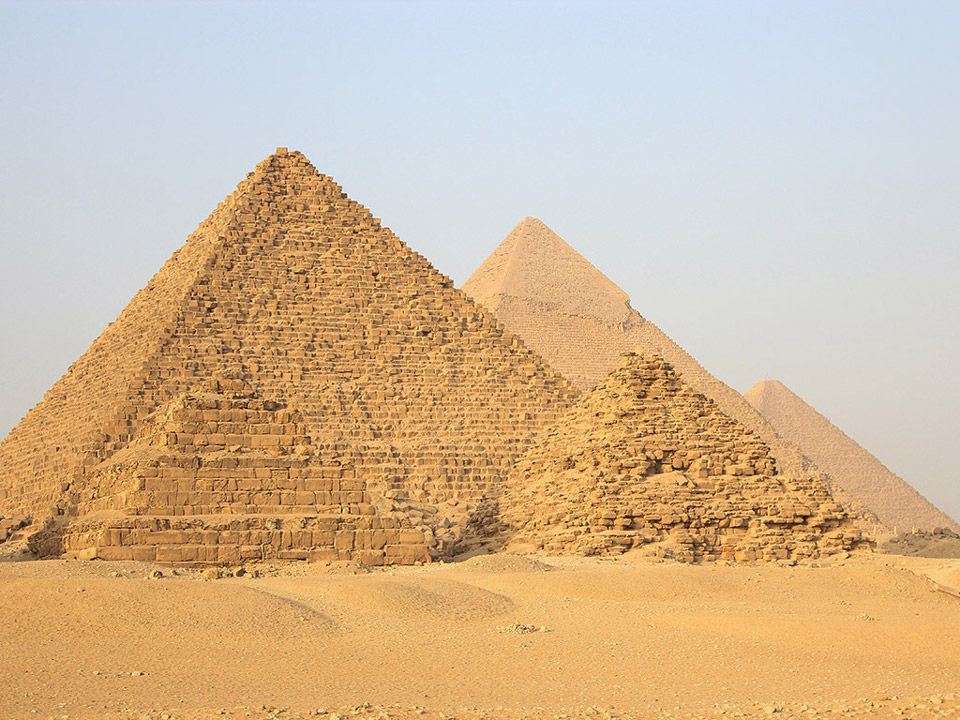
The Great Pyramid of Giza is the oldest and largest of the pyramids in the Giza pyramid complex bordering present-day Giza in Greater Cairo, Egypt. It is the oldest of the Seven Wonders of the Ancient World, and the only one to remain largely intact..
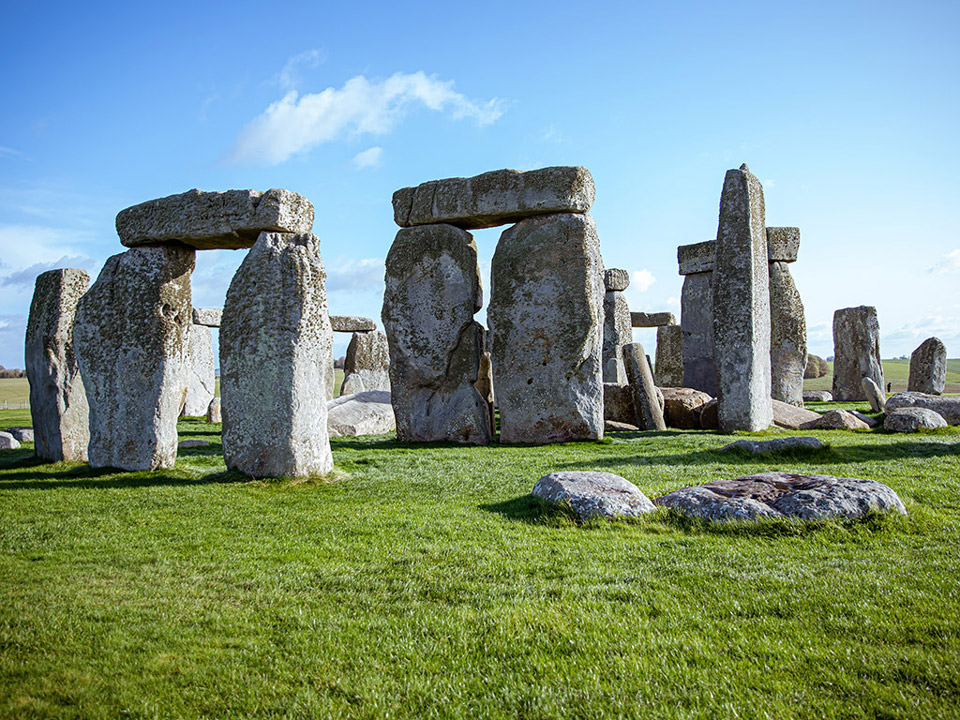
Stonehenge is a prehistoric monument on Salisbury Plain in Wiltshire, England, two miles west of Amesbury. It consists of an outer ring of vertical Sarsen standing stones, each around 13 feet high, seven feet wide, and weighing around 25 tons, topped by connecting horizontal lintel stones.

The White House is the official residence and workplace of the president of the United States. It is located at 1600 Pennsylvania Avenue NW in Washington, D.C., and has been the residence of every U.S. president since John Adams in 1800. The term "White House" is often used as a metonym for the president and their advisers.
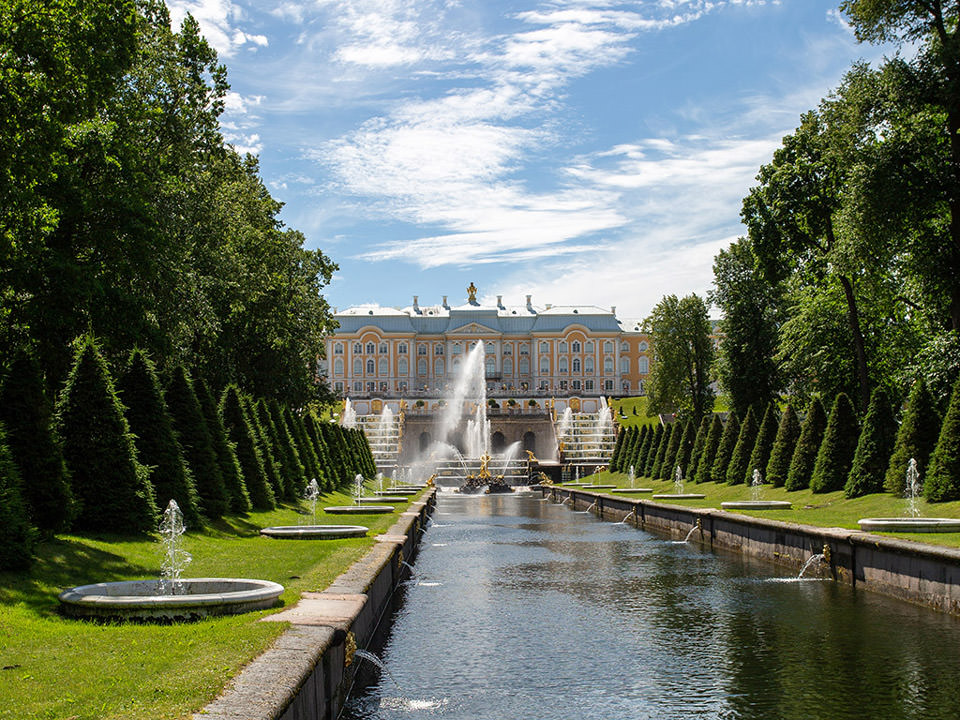
The Peterhof Palace is a series of palaces and gardens located in Petergof, Saint Petersburg, Russia, commissioned by Peter the Great as a direct response to the Palace of Versailles by Louis XIV of France.
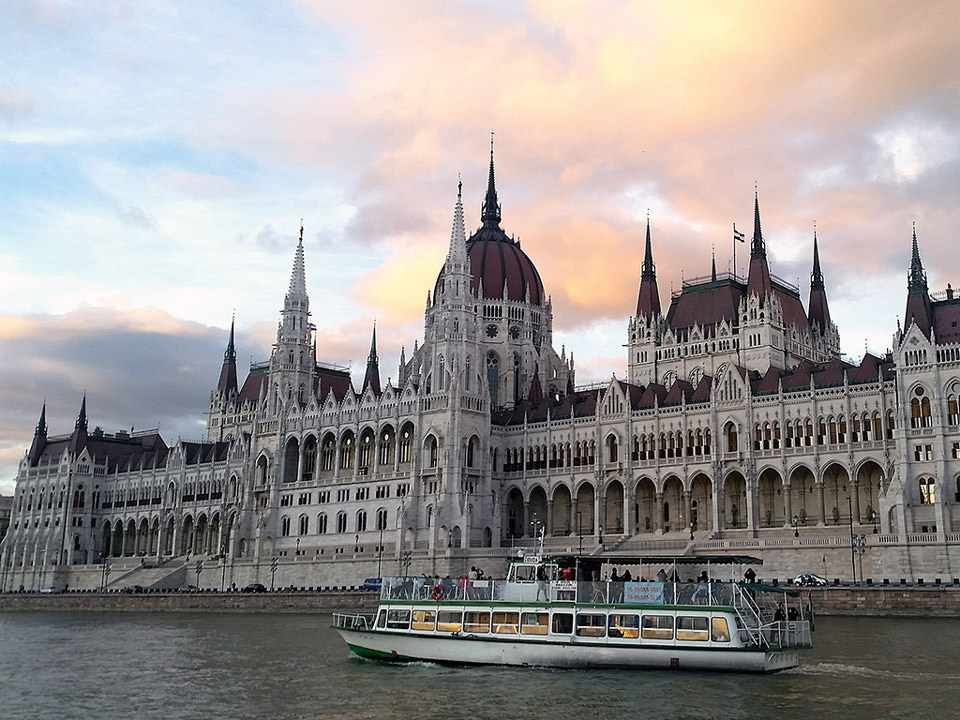
The Hungarian Parliament Building, also known as the Parliament of Budapest after its location, is the seat of the National Assembly of Hungary, a notable landmark of Hungary, and a popular tourist destination in Budapest. It is situated on Kossuth Square in the Pest side of the city, on the eastern bank of the Danube.
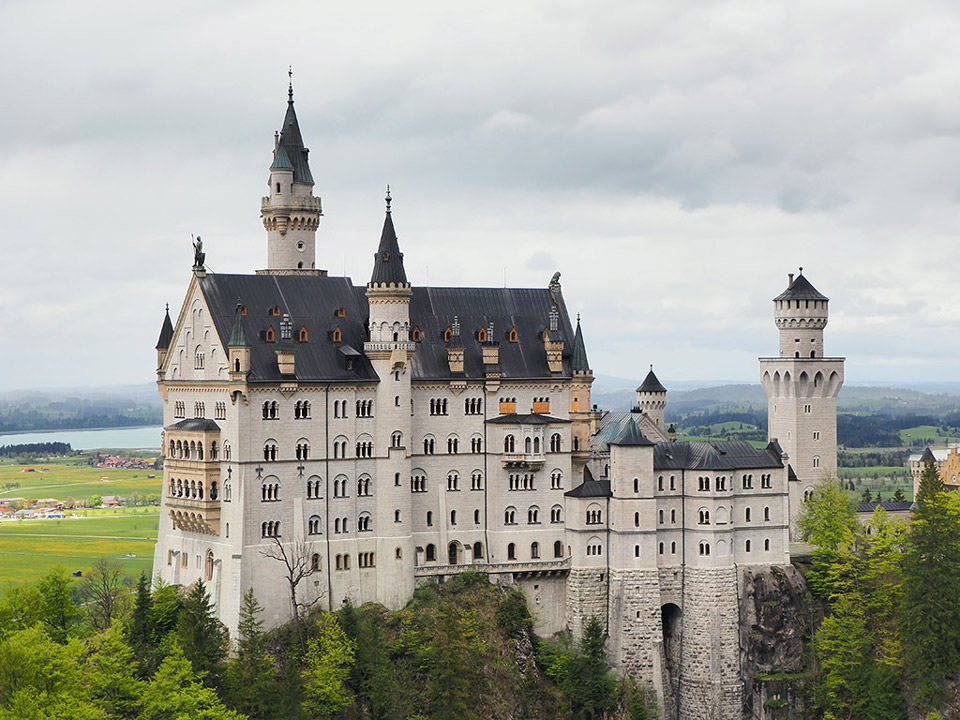
Neuschwanstein Castle is a 19th-century historicist palace on a rugged hill above the village of Hohenschwangau near Fussen in southwest Bavaria, Germany. The palace was commissioned by King Ludwig II of Bavaria as a retreat and in honour of Richard Wagner.
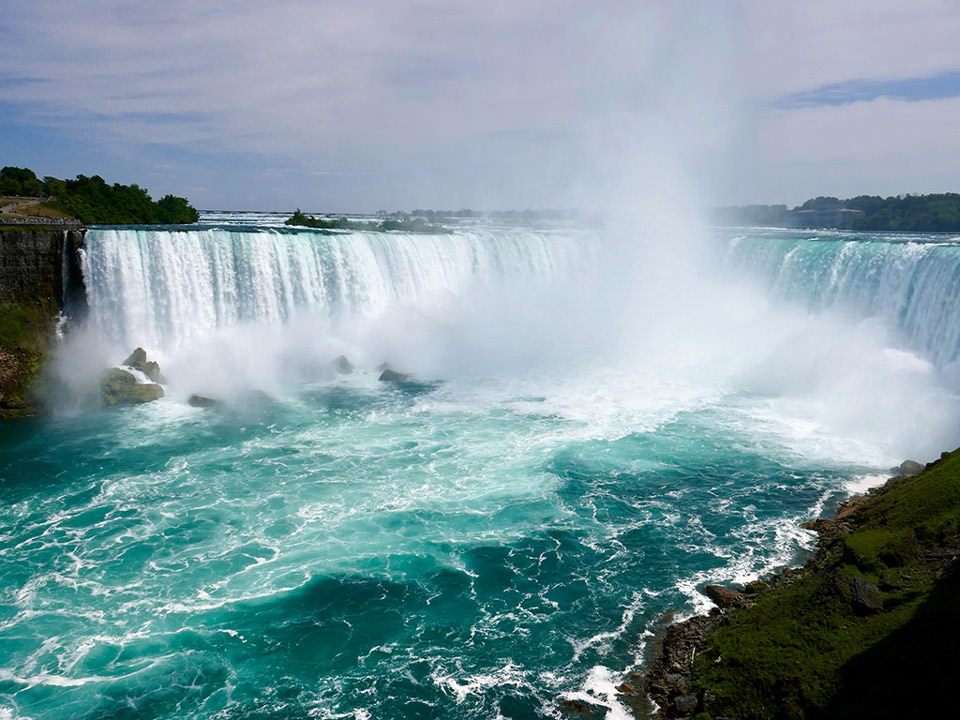
Niagara Falls is a group of three waterfalls at the southern end of Niagara Gorge, spanning the border between the province of Ontario in Canada and the state of New York in the United States. The largest of the three is Horseshoe Falls, also known as Canadian Falls, which straddles the international border of the two countries.
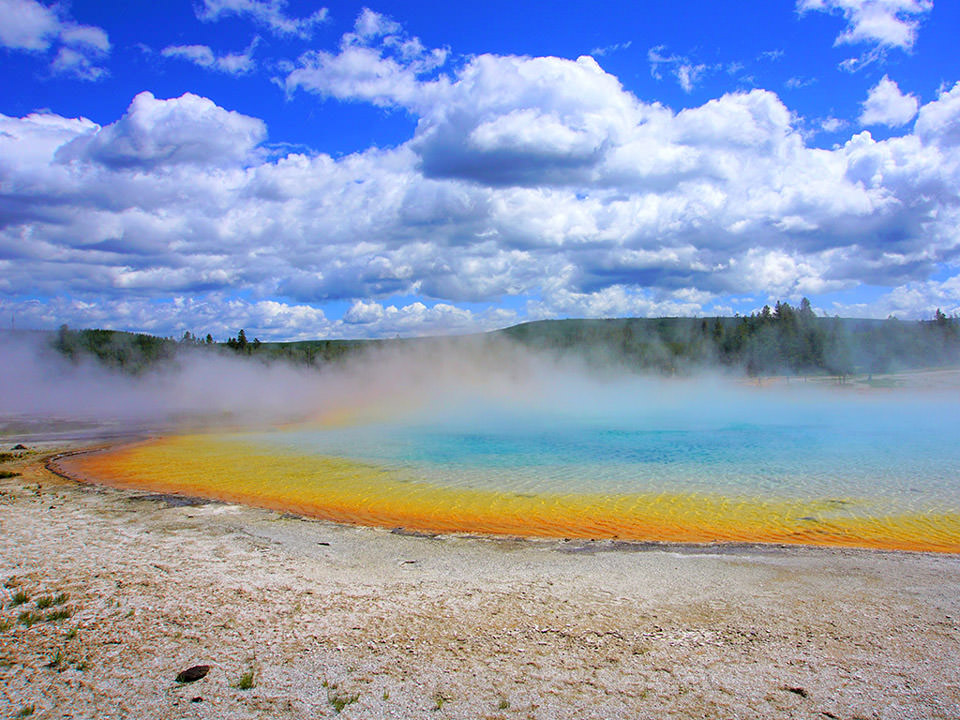
Yellowstone National Park is an American national park located in the western United States, largely in the northwest corner of Wyoming and extending into Montana and Idaho. Yellowstone was the first national park in the U.S. and is also widely held to be the first national park in the world.

Aurora borealis is a natural light display in the Earth's sky, predominantly seen in high-latitude regions (around the Arctic and Antarctic). Auroras are the result of disturbances in the magnetosphere caused by solar wind.
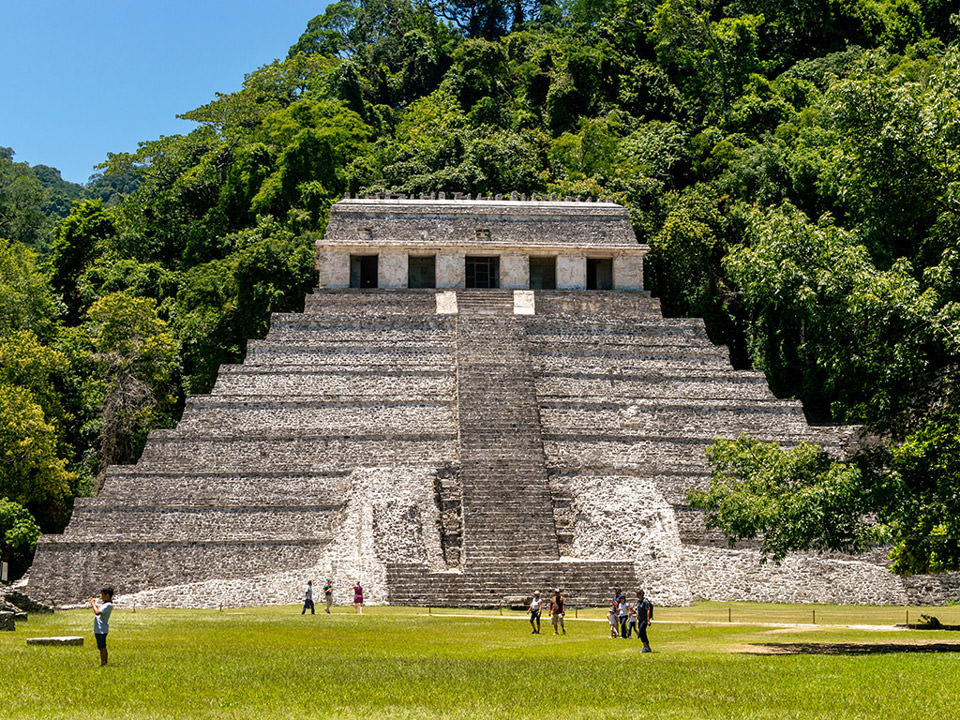
Palenque, also anciently known as Lakamha, was a Maya city state in southern Mexico that flourished in the 7th century. The Palenque ruins date from ca. 226 BC to ca. 799 AD. After its decline, it was overgrown by the jungle of cedar, mahogany, and sapodilla trees, but has since been excavated and restored.

Egmont National Park is located south of New Plymouth, close to the west coast of the North Island of New Zealand. The park covers Mount Taranaki and its slopes. The park was first created in 1881 as a forest reserve and went on to become New Zealand's second national park in 1900.

Ever thought about traveling without moving? Just select a tour and let's go!

View your tour anywhere! Couch potato paradise!

Enjoy your discount anytime you want to travel again!
Want to dare visiting a museum for the first time in your life? Drop us a line and get the first tour for free!